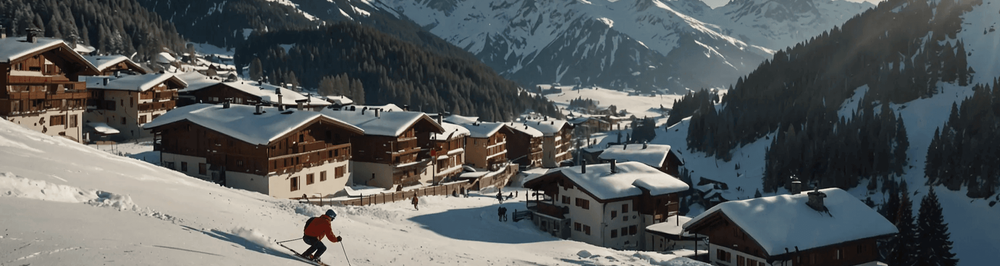
Outdoor activities in Davos: view of the Landwasser Valley with alpine mountain landscape in Graubünden

Outdoor in Davos: Alpine Sports at 1,560 m in Graubünden

Hiking, mountain biking, paragliding, climbing and canyoning in Europe’s highest city

21 activities near Davos

activity

Davos, Switzerland

Panoramaflug in Davos (Fotos&Video inklusive)

Paragliding

From CHF 190.00

activity

Klosters Serneus, Switzerland

Thermikflug in Klosters (Video&Fotos inklusive)

Paragliding

From CHF 270.00

activity

Davos, Switzerland

Early-Bird Paragliding in Davos (Video & Fotos inklusive)

Paragliding

From CHF 170.00

activity

Klosters Serneus, Switzerland

Panoramaflug in Klosters (Fotos & Video inklusive)

Paragliding

From CHF 190.00

activity

Davos, Switzerland

Thermik-Flug für 2 in Davos (Video&Fotos inklusive)

Paragliding

From CHF 540.00

activity

Klosters Serneus, Switzerland

Flug für 2 in Klosters (Fotos & Video inklusive)

Paragliding

From CHF 190.00

activity

Klosters Serneus, Switzerland

All Day Paragliding in Klosters (Fotos & Video inklusive)

Paragliding

From CHF 680.00

activity

Davos, Switzerland

Schatzalp Panoramaflug

Paragliding

From CHF 210.00

activity

Davos, Switzerland

All Day Paragliding in Davos (Video&Fotos inklusive)

Paragliding

From CHF 680.00

activity

Davos, Switzerland

Gleitschirm Gutschein zum selber ausdrucken

Paragliding

From CHF 20.00

activity

Davos, Switzerland

Paragliding voucher (Print@Home)

Paragliding

From CHF 20.00

activity

Klosters Serneus, Switzerland

Paragliding - halber Tag in Klosters (Video&Fotos inklusive)

Paragliding

From CHF 340.00

Outdoor in Davos – Alpine Sports at 1,560 Metres in the Landwasser Valley

Davos sits at 1,560 m in the Landwasser Valley of the canton of Graubünden and is recognised as Europe’s highest city. Set within the Rhaetian Alps, the Davos Klosters region combines high-alpine summits with a dense network of sport and tour infrastructure. Quipleon is a European outdoor sports marketplace where courses, guided tours and equipment rentals from verified local providers can be booked directly.

Over 700 km of marked hiking trails and roughly 1,300 km of mountain bike trails make Davos one of the largest connected outdoor networks in the Swiss Alps. Paragliding, climbing, canyoning, whitewater rafting and – in winter – skiing and cross-country skiing complete the picture. The high altitude ensures dry air, abundant sunshine and an extended snow season, while summer sports launch from June in an alpine setting. Whether it is a panoramic hike to the Davos Lake, an enduro descent on the Jakobshorn or a tandem paragliding flight over the valley: Davos appeals to active visitors from family hikers to committed alpine athletes.

What Outdoor Sports Are Available in Davos?

Davos Klosters offers a broad range of mountain and water sports. The high-altitude setting, cable cars and extensive trail network provide infrastructure for every level.

Hiking and Trekking

Over 700 km of marked hiking trails spread across the Davos Klosters area, from valley-floor walks along the Landwasser River to high-alpine traverses above 2,500 m. The classic Panoramaweg from Davos to Arosa follows a ridgeline with continuous views of the Silvretta and Albula ranges and takes around 6 hours. The Vereina Valley offers a gentler option, winding through open larch forests to the hamlet of Monbiel.

Many trails are accessible from cable-car stations at Jakobshorn (2,590 m) and Parsenn/Weissfluhjoch (2,662 m), cutting out steep initial ascents. On Quipleon, guided hiking tours and multi-day trekking packages from local mountain guides can be booked directly, including routes graded T1 through T4 on the Swiss hiking scale.

Mountain Biking and E-Bike

Davos hosts roughly 1,300 km of marked mountain bike and e-bike trails, making it one of the largest connected networks in the Swiss Alps. The official Davos Klosters Bike Academy provides technique courses for beginner and intermediate riders, while the Jakobshorn flow trail drops 1,000 vertical metres on banked turns and rollers. Cross-country routes in the Dischma Valley and Sertig Valley offer sustained climbing through alpine meadows.

E-bike rentals and guided tours are bookable through Quipleon from local providers. For experienced riders, the Epic Trail from Rinerhorn covers 3.5 km of singletrack with rock gardens and root sections at an altitude between 2,000 m and 1,560 m.

Paragliding

Thermal updrafts along the broad Landwasser Valley and the flanking ridges of Jakobshorn and Schatzalp create reliable soaring conditions from May to October. Tandem paragliding flights typically launch from Jakobshorn at 2,590 m and land on the valley floor in Davos, covering around 1,000 m of altitude difference over a 10–15 minute flight. On clear days, views extend to the Silvretta Glacier and the Graubünden peaks.

On Quipleon, tandem flights and introductory courses from licensed Davos paragliding schools can be compared and booked. An existing sport-specific page is available: Paragliding in Davos.

Climbing

The granite and gneiss walls of the Rhaetian Alps around Davos support climbing routes from grade 3 to 8a. The Sertig Valley and the rock faces near Davos Monstein offer multi-pitch trad routes, while the area around Klosters includes bolted sport-climbing sectors suited to intermediate climbers. Indoor training is available at the climbing wall in the Davos sports centre during poor weather.

Guided climbing days and introductory courses with certified UIAGM mountain guides are bookable on Quipleon. Most outdoor routes are best from June to September when rock is dry and temperatures are manageable at altitude.

Canyoning and Whitewater Rafting

Mountain streams and gorges around Davos provide canyoning terrain with abseils, jumps and natural slides. The canyoning routes near Klosters and in the side valleys of the Prättigau include both half-day introductory tours and full-day advanced descents. Water levels are highest from June to August after snowmelt.

Whitewater rafting on the Landquart River, roughly 30 minutes from Davos, offers Class II–III rapids suited to beginners and families. Equipment is provided on guided tours. Courses and guided trips can be booked through Quipleon from local adventure sport operators.

Winter Sports

Davos Klosters operates 300 km of prepared ski pistes across six areas — Parsenn, Jakobshorn, Pischa, Rinerhorn, Madrisa and Schatzalp — with top elevations at 2,844 m on the Weissfluhgipfel. The season typically runs from late November to mid-April. Parsenn is the largest ski area and connects to Klosters, while Jakobshorn faces south and suits park riders.

Cross-country skiers have access to 75 km of classic and skating tracks, including the route through the Dischma Valley. On Quipleon, ski lessons, freeride guiding and cross-country courses from Davos-based ski schools can be compared and booked directly.

When Is the Best Time for Outdoor Sports in Davos?

Davos is a year-round destination. The altitude of 1,560 m shapes the seasonal pattern – summer starts later and higher elevations stay snow-covered longer.

Spring (March–May)

Summer (June to August) is the peak outdoor season in Davos. Hiking trails are generally snow-free above 2,500 m from late June, and all mountain bike trails are open. Paragliding conditions are strongest in July and August with consistent thermals. Canyoning water levels are high from snowmelt. Cable cars at Jakobshorn, Parsenn and Rinerhorn run daily, providing quick access to high-altitude routes. Daytime temperatures typically reach 18–24 °C in the valley. ●●●●●

Summer (June–August)

Autumn (September to October) brings stable weather and quieter trails. Hiking conditions remain excellent through September, with the first snow above 2,800 m usually arriving in October. Mountain biking is possible through mid-October on lower trails, and larch forests in the Dischma and Sertig valleys turn golden. Paragliding remains viable on calm days. Cable-car operations begin to wind down in late October. ●●●●○

Autumn (September–November)

Winter (November to March) transforms Davos into a ski destination. Snow cover on the pistes is typically reliable from late November, and the season peaks from December through February. Cross-country tracks in the valley open once base snow reaches 30 cm. Winter hiking paths are groomed on selected valley routes. Temperatures range from −5 to −12 °C at summit level. Summer sports including hiking, mountain biking, paragliding and canyoning are not available. ●●●●○

Winter (December–February)

Spring (April to May) is a transitional period. Skiing continues into mid-April at higher elevations, but lower slopes soften and close. Hiking trails below 2,000 m begin opening from late April, though higher routes remain snow-covered. Mountain biking on valley-floor routes resumes in May once paths have dried. Cable-car operations are reduced, and many providers switch between winter and summer programmes. ●●○○○

What Skill Level Do I Need for Outdoor Sports in Davos?

Davos offers outdoor activities for all experience levels. The combination of cable cars, guided tours and marked trails makes alpine terrain accessible to newcomers.

Beginner

Beginners in Davos can start with valley walks along the Landwasser promenade or the Philosophenweg, both flat and well-signed. The Davos Klosters Bike Academy runs technique courses for first-time mountain bikers on gentle terrain near the valley floor. Tandem paragliding requires no experience — the pilot handles the flight. Introductory canyoning half-days in lower-grade gorges near Klosters are designed for those with no prior experience. On Quipleon, beginner-friendly courses and guided tours from Davos providers are clearly labelled.

Intermediate

Intermediate athletes find the most variety in Davos. Hikers can tackle graded T2–T3 trails like the Jakobshorn–Jatzhorn ridge traverse. The Rinerhorn Epic Trail offers challenging singletrack for confident mountain bikers. Sport climbing sectors near Monstein range from grade 4 to 6a. Intermediate skiers benefit from the wide, groomed runs on Parsenn and Madrisa. Full-day canyoning routes and whitewater rafting on the Landquart (Class II–III) suit those with basic outdoor fitness.

Expert

Expert-level options include T4–T5 alpine routes through the Silvretta range requiring scrambling and glacier experience, multi-pitch trad climbing on the Sertig walls (up to grade 8a), and freeride skiing on the Pischa and Jakobshorn off-piste sectors. Experienced mountain bikers can ride enduro routes with rock gardens and steep gradients across the six bike areas. Advanced canyoning with high abseils and long swims is available in the deeper Prättigau gorges.

Safety and Environmental Care for Outdoor Sports in Davos

Davos sits at 1,560 m in alpine terrain. Weather changes, altitude and terrain hazards require appropriate preparation.

Safety Tips

Alpine conditions above 2,000 m in Davos can change rapidly. Afternoon thunderstorms are frequent from June to August, and UV intensity at altitude is significantly higher than in the lowlands — SPF 50+ sunscreen and eye protection are essential. Snow can fall above 2,500 m in any month. For winter sports, the Davos avalanche bulletin from the WSL Institute for Snow and Avalanche Research (SLF, based in Davos) provides daily risk assessments — check it before any off-piste activity.

All outdoor providers bookable on Quipleon are verified and carry the required Swiss safety certifications. Booking through Quipleon does not constitute a guarantee of conditions — participants should always assess personal fitness and current conditions before starting an activity.

Environmental Protection

Davos lies within the UNESCO Biosphere Entlebuch buffer zone is not applicable — but the Graubünden cantonal nature reserves and wildlife rest zones around Davos restrict off-trail access in marked areas, particularly during winter when wildlife is vulnerable. Stick to marked trails and ski routes in these zones.

The Swiss Alpine Club (SAC) sections maintaining mountain huts in the area follow leave-no-trace principles. Pack out all waste, do not disturb alpine flora, and respect grazing land — cattle guards and fences are common on lower trails. Water from mountain streams above settlements is generally safe but should be treated below the treeline.

Frequently Asked Questions About Outdoor Activities in Davos

What outdoor sports can I do in Davos? Davos offers over 700 km of hiking trails, roughly 1,300 km of mountain bike trails, paragliding, climbing, canyoning and whitewater rafting in summer. In winter, over 300 km of ski slopes, 75 km of cross-country ski trails and snowshoe hiking are available.

When is the best time to visit Davos for outdoor sports? Summer (June–September) is optimal for hiking, mountain biking, paragliding and canyoning. The winter season runs from November to April with skiing, cross-country and snowshoe hiking. Davos is a year-round destination.

Can I go paragliding in Davos? Yes. Davos Klosters offers tandem paragliding flights in both summer and winter. The thermal updrafts in the Landwasser Valley create ideal flying conditions. Experienced pilots can fly solo.

How high is Davos? Davos sits at 1,560 m above sea level in the Landwasser Valley of the canton of Graubünden and is recognised as Europe’s highest city. The surrounding Rhaetian Alps peaks reach above 3,000 m.

Do I need experience for outdoor activities in Davos? Not for all activities. Easy walks, e-bike tours, tandem paragliding and beginner bike-park trails are possible without prior experience. High-altitude hikes above 2,500 m, technical MTB trails and canyoning require fitness and experience.